
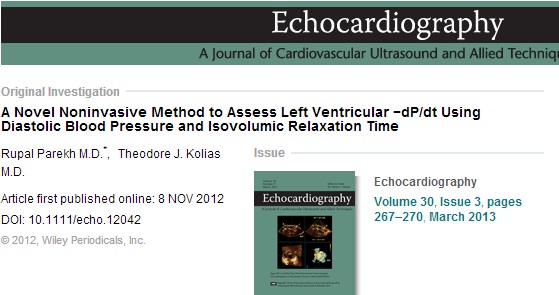
 ……………………………………………….AQUI………………………………………….. Methods: Thirty-three patients with less than severe MR were enrolled. −dP/dt was determined using the Doppler-MR method from the continuous-wave Doppler spectrum of the MR jet (32 mmHg/time from 3 to 1 m/sec). −dP/dt was also determined using the DBP-IVRT method using the following equation: −dP/dt = (DBP − LVEDP)/IVRT, where left ventricular end-diastolic pressure (LVEDP) was estimated based on tissue Doppler and mitral inflow patterns.…………………………………………………………………………………………………………………………………………………………………………………………………….. Results: Twenty-five patients had adequate Doppler waveforms for analysis. The average amount of MR was mild-to-moderate severity. The mean −dP/dt was 680 ± 201 mmHg by the Doppler-MR method and 681 ± 237 mmHg by the DBP-IVRT method. There was a significant correlation between the 2 methods of determining −dP/dt (Pearson r = 0.574, P = 0.003). The Bland–Altman plot revealed almost no bias between the 2 methods; the difference in −dP/dt between the 2 techniques was noted to be greater for patients with higher −dP/dt, however. Conclusion: Diastolic blood pressure and isovolumic relaxation time may be used to noninvasively assess diastolic function in patients who do not have MR, especially in those with reduced diastolic function. ……………………………………………………………………………………………………………………………………………………………………………….Chegamos a desenvolver essa idéia acima em 2007 e 2011 (abaixo) mas nossos dados não foram significativos em um número de 350 pacientes. E não tivemos essa bela idéia de relacionar com a DP/DT. Parabéns para o grupo que publicou!!!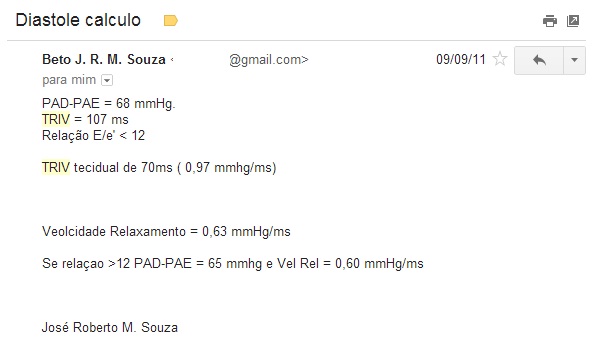
Dia: 22 de março de 2013
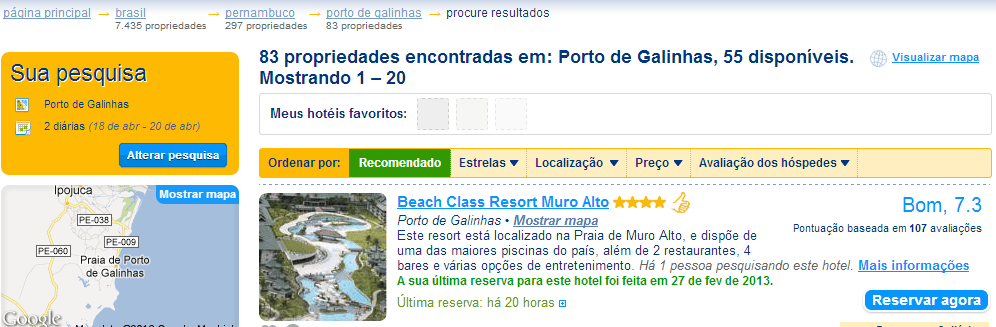
O melhor congresso DIC/DEPECO de todos os tempos: Vagas em hotéis
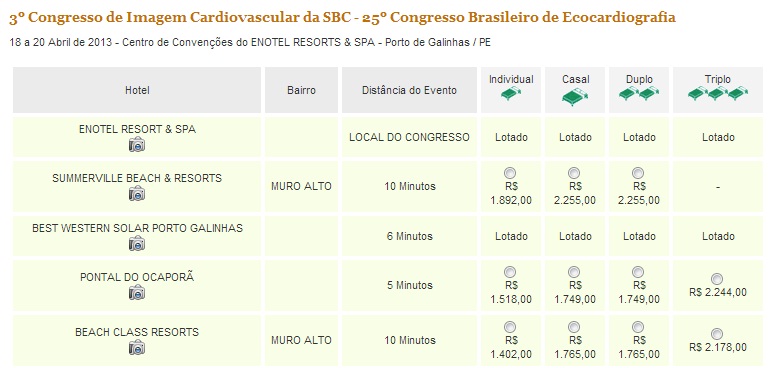 ………………………………………………………………………………………………………..ou no booking.com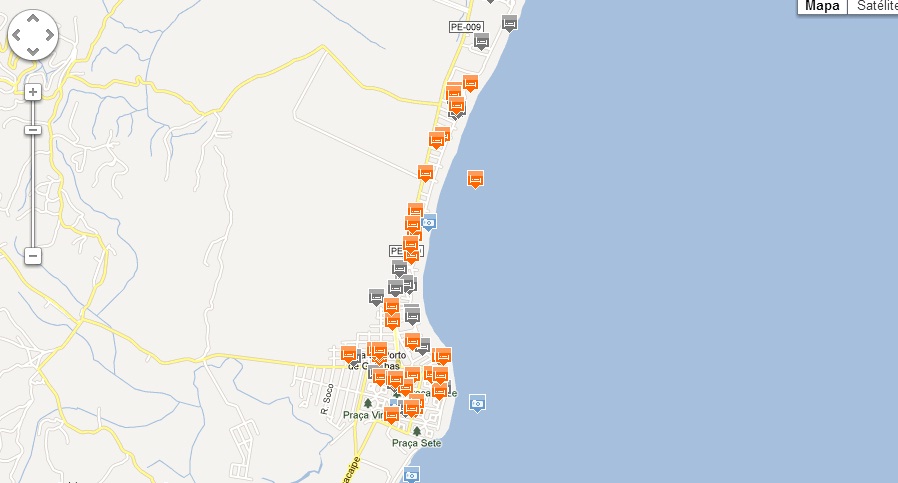
O melhor congresso DIC/DEPECO de todos os tempos
 …………………………………………………………………………………………………..Destaques imperdíveis: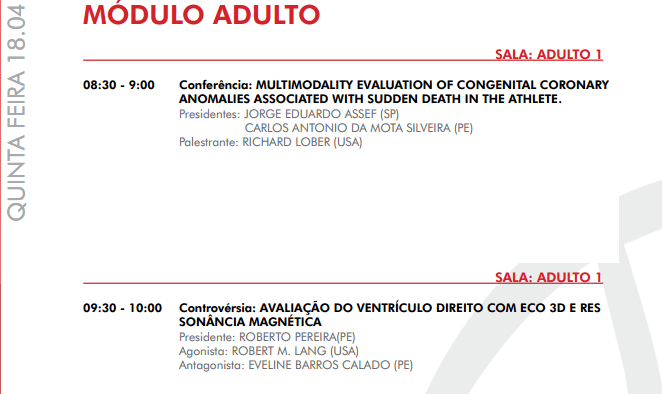

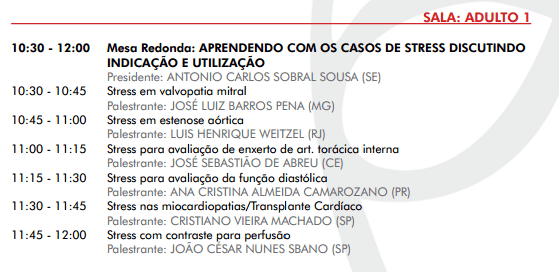 ……………………………………………………………………………………………………………….Tem muito mais a seguir…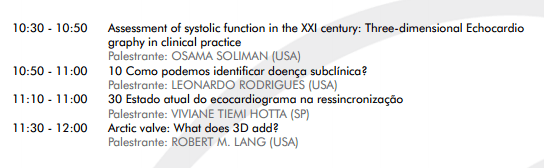
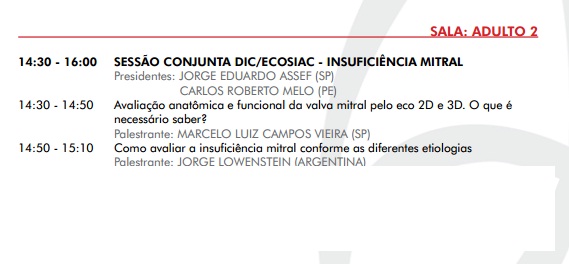
 …………………………………………………………………………………………………………………..Sem falar nos destaques nacionais!!!!