_uacct = “UA-1399567-1”;
urchinTracker();

 Como Recife não é Miami, suas compras serão leves. aproveite para comprar os livros brasileiros abaixo: ………………………………………………………………………………………………………………………
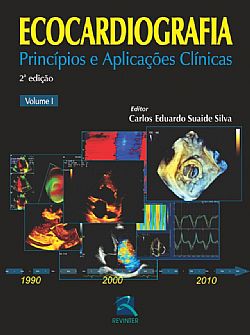 ……………………………………………………………………………………………………………………. Livro texto para entendimento profundo da ecocardiografia. ……………………………………………………………………………………………………………………..
 ………………………………………………………………………………………………………………………… Livro para consultas rápidas no dia a dia. …………………………………………………………………………………………………………………..
 ……………………………………………………………………………………………………………………………… Livro para deixar de ser bobo e fazer Ecoestresse no seu serviço!!!rsrsr…………………………………………………………………………………………………………………….
Toda a semana um caso de viabilidade questionada cai no serviço com paciente que tem apenas hipocinesia no eco: 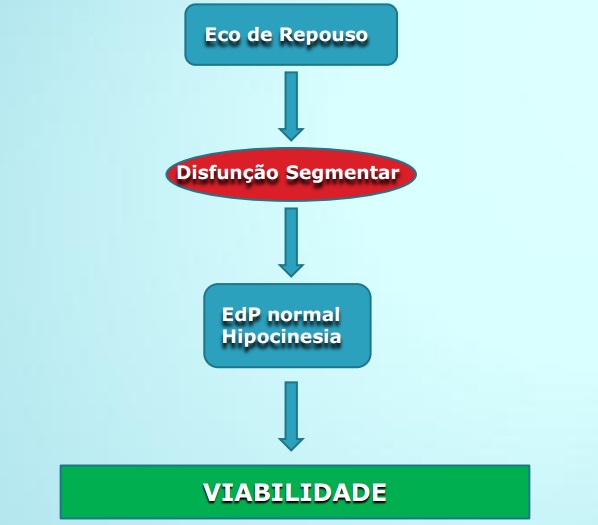 Ainda em dúvida? Assista essa aula:(AQUI)

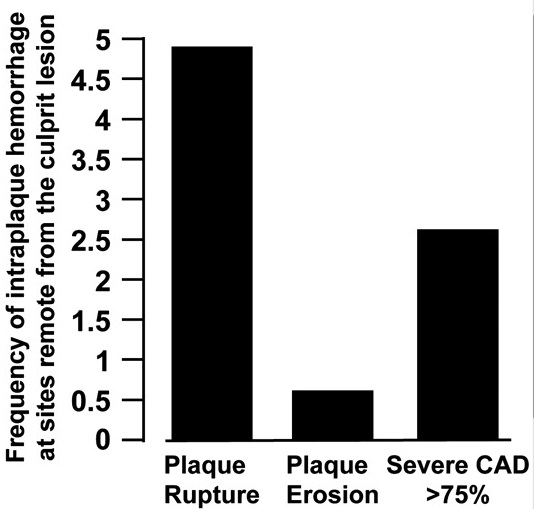 Observational studies of necrotic core progression identify intraplaque hemorrhage as a critical factor in atherosclerotic plaque growth and destabilization…………………………………………………………..Neoangiogenesis is closely associated with plaque progression and is likely the primary source of intraplaque hemorrhage at sites of microvessel incompetence…………………………………………………..This process initiates leakage of RBCs into the plaque and induces a cycle of inflammation and neovascularization.
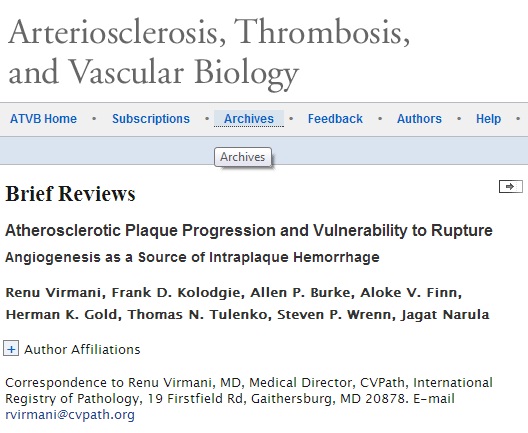 Aqui artigo completo.
 ………………………………..É interessante notar que o colesterol vem da vasa vasorum e mais, uma fonte importante de colesterol é a angiongênese com as hemorragias intra placas.
“Given this development, we conclude that 3D echocardiography will largely displace 2D echocardiography because history tells us that a similar transition happened as we moved from M-mode echocardiography to 2D echocardiography.” AQUI COMPLETO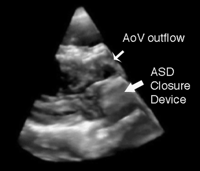 Onde escreveram isso?????
 ……………………………………………………………………………………………………………………..Quem disse?!?!?!?
 Robin C. Houck, MD, MPH, FACC Specialties: Cardiology, Cardiovascular Disease Board Certifications: Cardiovascular Disease, Echocardiography, Internal Medicine, Nuclear Cardiology Special Interests: Advanced cardiac imaging including cardiac CT and cardiac MRI Education Professional School: Tufts School of Medicine, Boston Internship: University of Washington Residency: University of Washington Fellowship: University of Vermont
Matrix Metalloproteinase-2 and -9 Levels in Patients with Dilated Ascending Aorta and Bicuspid Aortic Valve(Aqui)  There were 54 patients with dilated ascending aorta (Group 1) and 58 patients with nondilated ascending aorta (group 2). The plasma levels of MMP-2 and MMP-9 were determined by ELISA. Results: The mean ascending aorta diameter was 4.49 ± 0.49 mm in group 1 and 3.51 ± 0.46 mm in group 2 (P < 0.001). There were no significant difference in gender, BSA, presence of hypertension, diabetes mellitus, hyperlipidemia, and smoking between the 2 groups. Nevertheless, no significant difference was observed in the levels of MMP-2 and MMP-9 between the 2 groups.
 A tese da aorta bivalvulada como doença da aorta é bem interessante. Mas o papel das estenoses e os gradientes resultantes não podem ser separados. Nesse estudo só casos leves de estenose foram incluídos. Desprezou-se o papel do Fenômeno de Bernoulli (abaixo) que certamente participa da dilatação.
Algo que só se vê ao 3D. Local do defeito na prótese biológica . SC 2000 Siemens
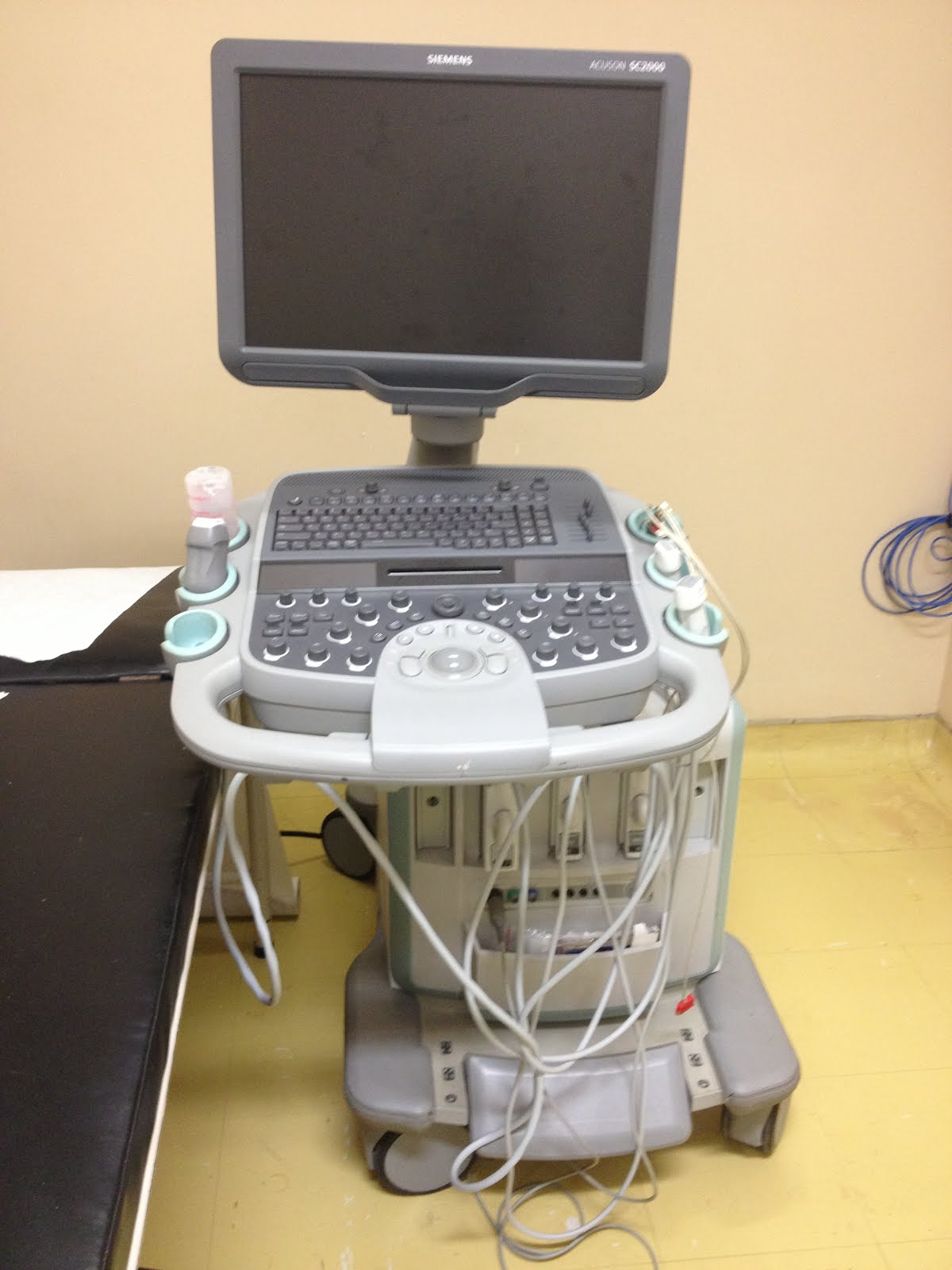
Esta semana pré carnaval começou com festa pelo retorno do SC 2000 Siemens ao laboaratório de exames do HC UNICAMP. Obra do Jair, Cecília e Roberta. Aguardem exames de cair o queixo…
Tissue Doppler systolic velocity change during dobutamine stress echocardiography predicts contractile reserve and exercise tolerance in patients with heart failureClique para ler o artigo.
Methods and results Sixty-four HF patients (age 67 ± 9 years, 58% with an ischaemic aetiology, and a mean value of the ejection fraction 29 ± 7%) underwent high-dose DSE.The patient population was divided into two groups: with rest–stress Sm change during DSE ≤ 2.02 cm/s and with rest–stress Sm change >2.02 cm/s. Patients with Sm rest–stress >2.02 change during DSE, compared with patients with rest–stress change ≤2.02, showed a lower incidence of severe diastolic dysfunction at rest (16 vs. 46%, P= 0.039) and lower E/Ea values (11 ± 5 vs. 15 ± 6, P = 0.005), similar ejection fraction at rest but higher ejection fraction at peak DSE (53 ± 14 vs. 41 ± 12%, P = 0.001), better myocardial contractile reserve assessed by a pressure–volume relationship (1.89 ± 2.01 vs. 0.58 ± 1.38 mmHg/mL/m2, P = 0.004), with a lower end-systolic volume (−46 ± 20 vs. −24 ± 19%, P< 0.001), a higher increase in the ejection fraction (23 ± 10 vs. 12 ± 10%, P = 0.001) during DSE, and better peak oxygen consumption (16 ± 4 vs. 13 ± 2 mL/kg/min, P = 0.01).

Conclusion In patients with HF, the rest–stress variation of mitral annulus systolic velocities during DSE predicts the presence of myocardial contractile reserve and exercise tolerance.

Fazer pesquisa é um grande mérito para qualquer equipe. Mas para testar capacidade de exercício em cardiopatas, é melhor pedalar ou caminhar.