
.
Os leitores conhecem o sinal de M. Esmeraldo como marcador de PVM no ecocardiograma.
AQUI
.
Quais são os 20% de exames que têm o sinal e não tem PVM.
Basicamente hipertensos de longa data com dilatação da aorta ascendente.
.
Quais são os pacientes que têm PVM mas não têm o sinal de M. Esmeraldo?
Basicamente os acometidos com insuficiência mitral leve a moderada e dilatação do Átrio pelo refluxo.
.
Mês: outubro 2013
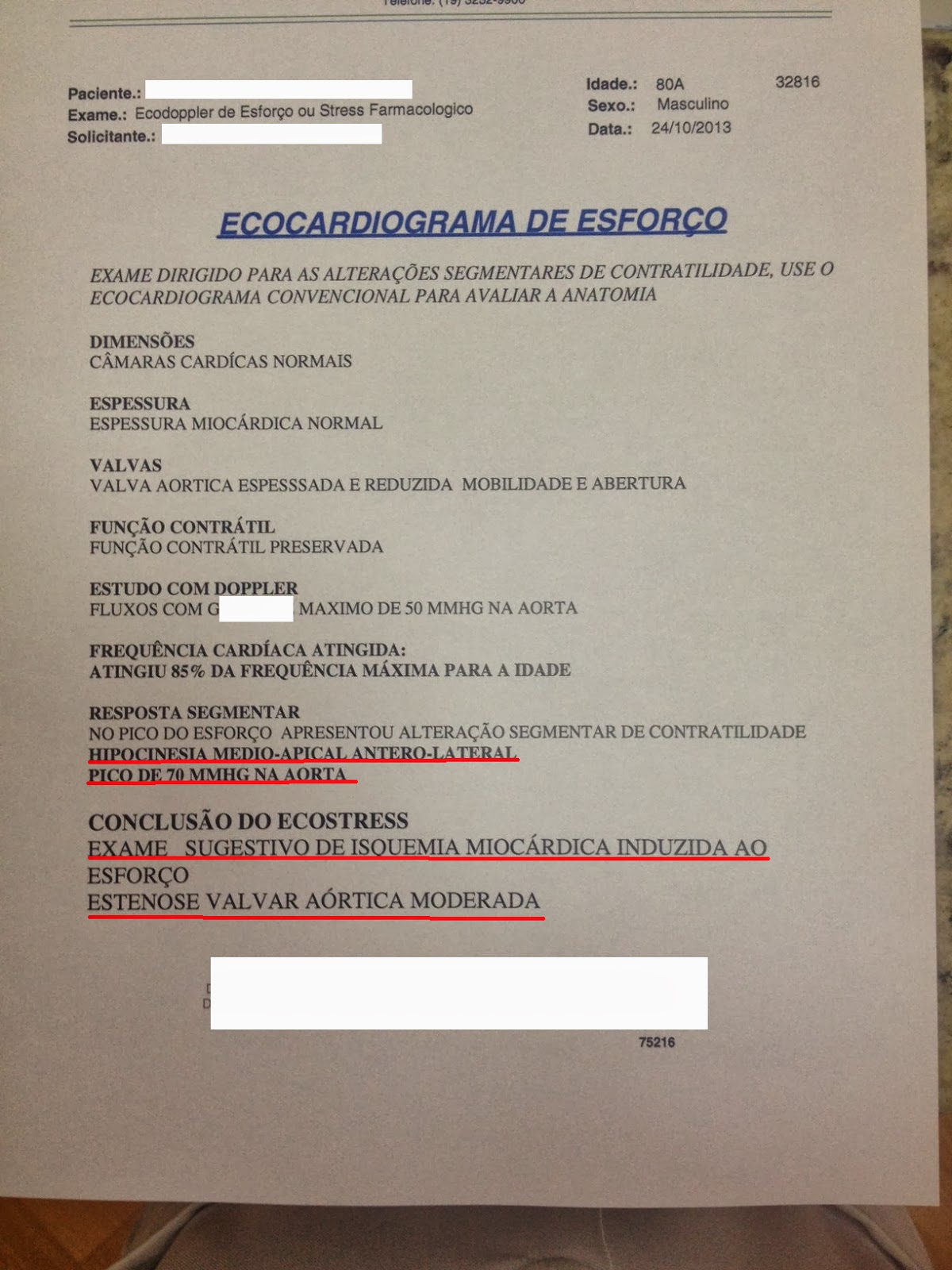
Desafio EchoTalk: Que outro exame faria esses diagnósticos simultâneos?
.
Duração do exame : 15 minutos
Permanência total do paciente na sala de exames : 20 minutos
Custo do procedimento: 4 reais em eletrodos e gel.
Faturamento do exame pelo convênio : 370 reais.
Eventos desfavoráveis: Nenhum
Acesso venoso: Nenhum
.

Aprenda aqui a medir a adventícia
Noninvasive Measurement of Carotid Extra-Media Thickness
.
AQUI LIVRE
.
Conclusions Carotid EMT can be assessed by ultrasonography. It is physically distinct from IMT and provides additional information concerning the vascular changes associated with cardiovascular risk factors. As such, the measurement of EMT, in addition to IMT, may provide a more complete indication of the structural modification of the vasculature associated with cardiovascular risk factors than that obtained by the measurement of carotid IMT alone.
.
.
Fácil demais!!!!
.
Como as placas crescem?
Erythrocyte Membrane-Derived Free Cholesterol and Plaque Progression
.
.
Aqui o artigo livre e obrigatório
.
The Vasa Vasorum in Atherosclerosis
.
In more recent reports of human atherectomy specimens, endothelial cell proliferation is modest, although when neovascularization is observed, the proliferation indices as high as 43.5% may be reached.
.
Lendo esse artigo, vejo que 80% das aulas de aterosclerose nos congressos precisam ser atualizadas!!!
.
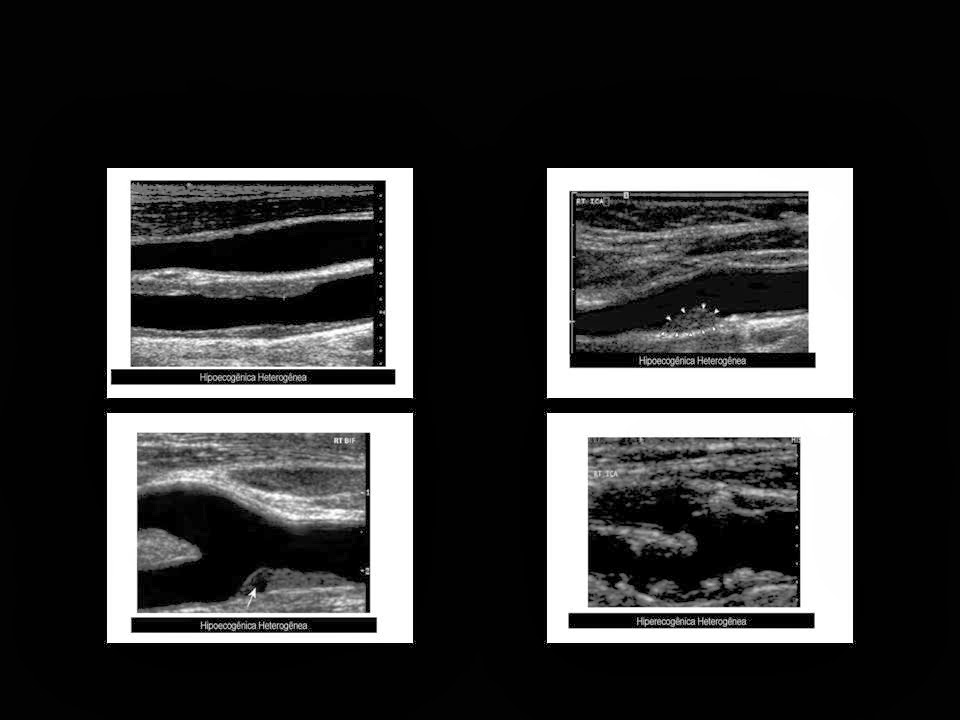
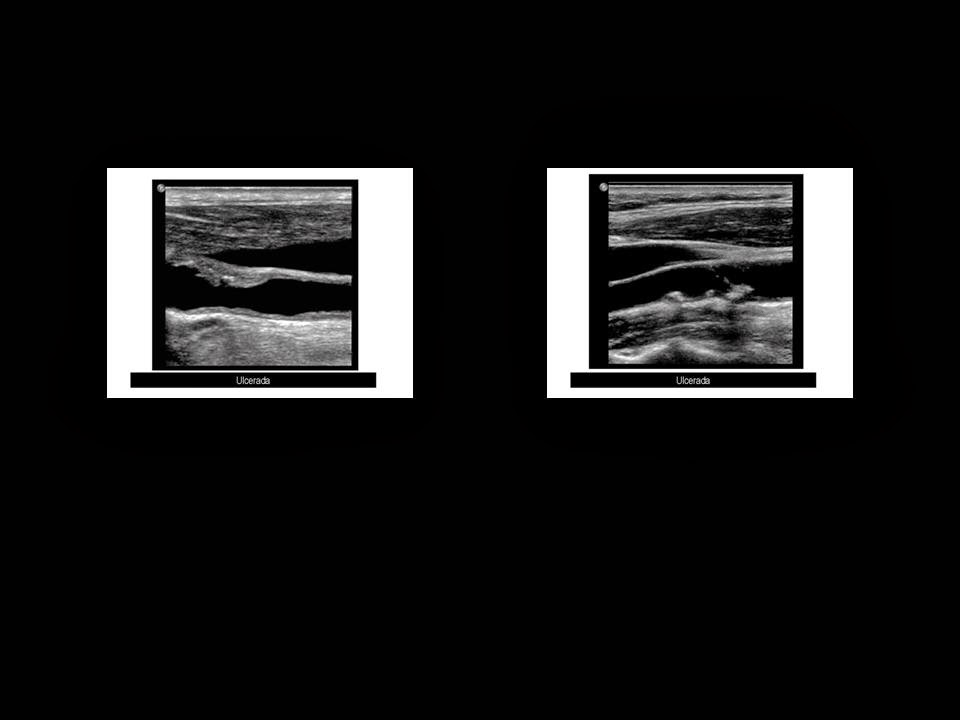
Adventícia: O marcador de risco esquecido
.
By the use of ultrasound, they measured the carotid extra-media thickness (EMT), defined as “the distance between the carotid media-adventitia interface and the jugular lumen.
.
AQUI ARTIGO
.
A melhor maneira de medir a inflamação é medir o fluxo no local. A espessura da adventícia pode servir para marcar o volume vascular no local.
.
Será que estamos medindo a cauda do perdigueiro e deixando a perdiz escapar???
.
Aguardem: Simpósio de Verão finalmente abordará o eco com esforço.

.
:D:D:D:D:D:D:D:D:D:D:D

Mismatch: Como verificar.
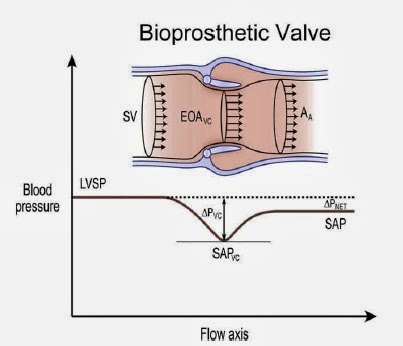
Como calcular o Mismatch? A ASE ensina assim.
.
PPM. The physiologic relationship between flow, valve area, and
gradient is illustrated by the equation gradient = Q2/(K EOA2),
where Q is flow and K is a constant. For gradients to remain low,
the EOA must be proportionate to the flow requirements of the individual,
which at rest are largely determined by body size. PPM occurs
when the EOA of the prosthesis is too small in relation to the patient’s
body size, resulting in abnormally high postoperative gradients
.
.
.
.
.
.
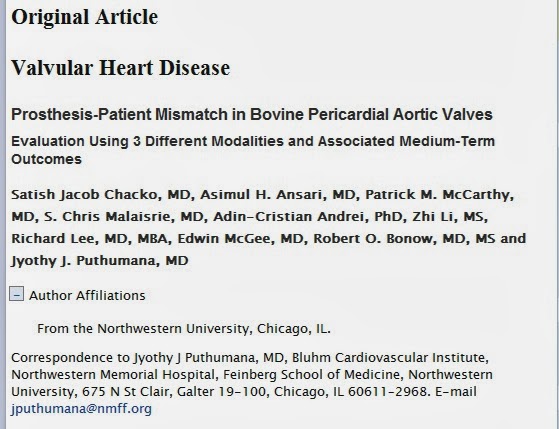
Agora um estudo compara metodologias:
.
.
Aqui livre
.
Conclusions—In patients with normal systolic function undergoing bovine pericardial aortic valve replacement, the prevalence of PPM using the algorithmic-ASE approach was low and correlated well with manufacturer-provided PPM. Independent of the method of PPM assessment, PPM was not associated with medium-term mortality.
.
Estranho a mortalidade não ser afetada pois 1/3 dos pacientes apresentavam Mismatch acentuado na medida efetiva do orifício.
.
Leia também no blog do Fabio AQUI
.